
transparent reflective glass
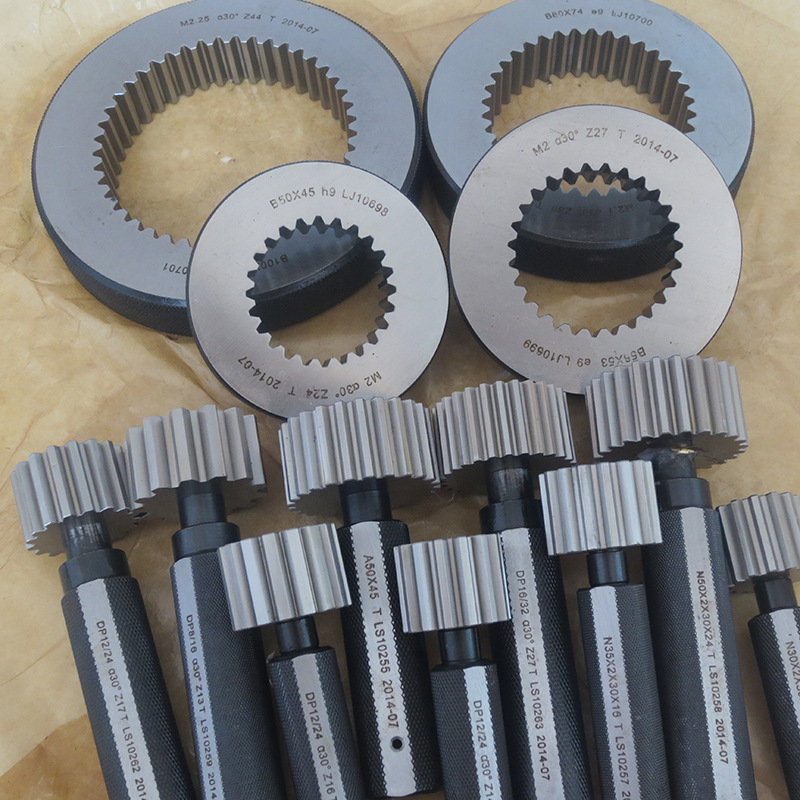
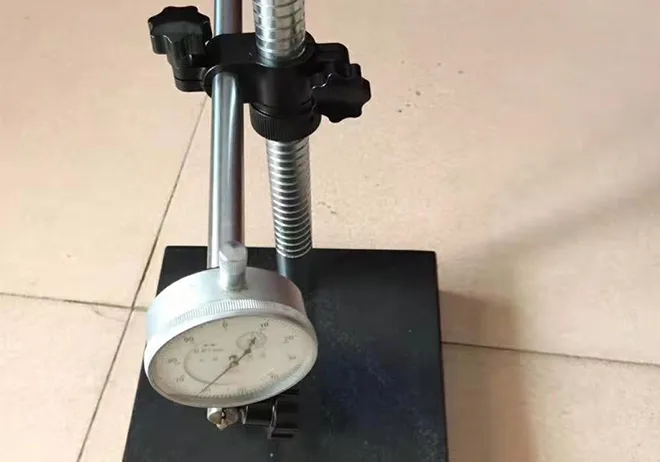
Understanding the Micrometer Standard Set A micrometer standard set is an essential tool in precision measurement, widely used across various industries including manufacturing, engineering, and scientific research. This set typically consists of a micrometer gauge and a series of standard blocks or gauge blocks, each with specific, known dimensions. The primary purpose of a micrometer standard set is to ensure accuracy and consistency in measurements taken by micrometers, which are instruments designed to measure small distances with high precision. The Importance of Precision Measurement In today's competitive industrial landscape, precision measurement has become increasingly crucial. Even minute discrepancies in measurements can lead to significant issues in product quality and performance. The micrometer, with its capability to measure to the nearest thousandth of a millimeter, or even finer depending on the model, has become a staple in achieving high levels of accuracy in various applications. Components of a Micrometer Standard Set A typical micrometer standard set includes different types of micrometers, such as outside micrometers, inside micrometers, and depth micrometers. Each type is designed for specific measurement tasks. For instance, outside micrometers are used to measure external dimensions of an object, while inside micrometers measure internal dimensions. In addition to the micrometers themselves, the standard set also comes equipped with various gauge blocks. These blocks are calibrated to exact measurements and serve as references for verifying the accuracy of the micrometers. The calibration process involves testing the micrometers against these known standards to ensure they provide accurate readings. Having a reliable set of standards is crucial for maintaining quality control in production processes. Calibration and Maintenance micrometer standard set Regular calibration of micrometer instruments using the standard set ensures that they remain in optimal working condition. Calibration involves checking the micrometer against the standard blocks and making necessary adjustments. This process can typically be performed manually or through automated systems, depending on the technology available. Proper maintenance of both the micrometer and the standard set is essential for longevity and accuracy. Users should keep the tools clean, store them in protective cases to avoid damage, and periodically check their performance. Environmental factors such as temperature and humidity can also affect measurements, so they should be conducted in controlled settings whenever possible. Applications Across Industries Micrometer standard sets find applications in various fields. In the automotive industry, for example, they are used to ensure that components such as gears, bearings, and shafts fit together correctly and operate efficiently. In aerospace manufacturing, precision measurements of critical components are vital to ensure safety and performance standards are met. In the field of science and research, micrometer measurements are invaluable for experiments that require high precision, such as in the fields of materials science and nanotechnology. The ability to measure small distances accurately allows researchers to investigate the properties of materials at microscopic levels, leading to advancements in technology and innovation. Conclusion In conclusion, a micrometer standard set is a vital instrument for achieving accuracy and reliability in precision measurement. It combines the use of micrometers with standardized gauge blocks to ensure that measurements are correct and consistent. As precision becomes increasingly important across various sectors, the role of micrometer standard sets in maintaining quality standards cannot be overstated. Investing in high-quality micrometer standard sets and ensuring regular calibration can significantly impact the efficiency and reliability of production processes and research outcomes.
about
transparent reflective glass
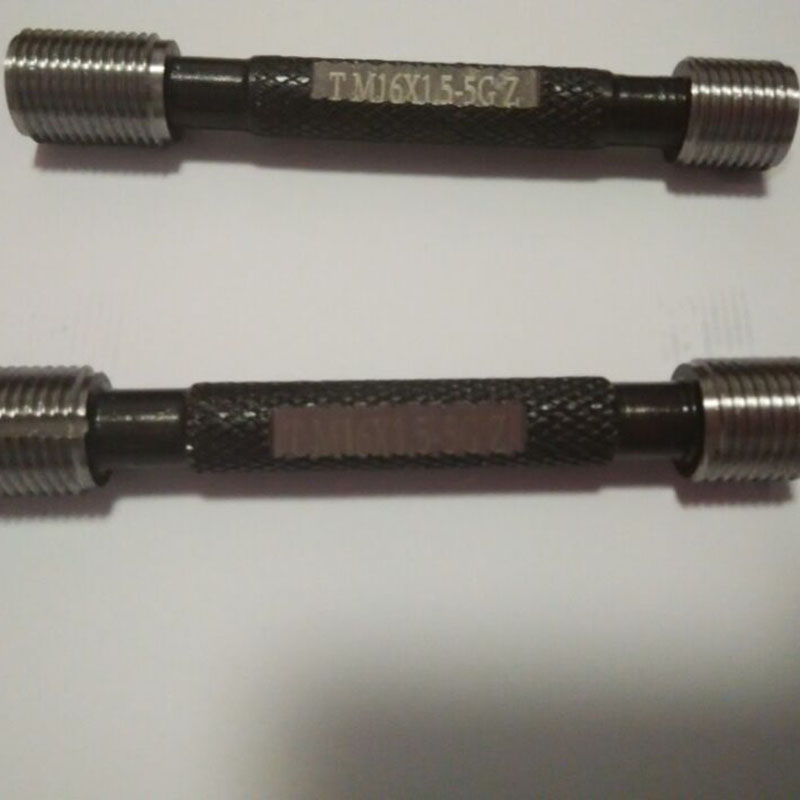
In the world of manufacturing and quality control, precision measurement tools are vital. Among these, the plain plug gauge stands out for its simplicity and effectiveness. Customization options like custom plug gauges offer tailored solutions for specific needs. Additionally, understanding plug and ring gauges can enhance your measurement accuracy. This guide explores these essential tools, their benefits, and their applications. The Importance of a Plain Plug Gauge A plain plug gauge is a fundamental tool used to measure the diameter of holes and cylindrical features accurately. Its straightforward design makes it easy to use, ensuring quick checks during the manufacturing process. The gauge is typically made from durable materials to withstand wear and tear, providing reliable performance over time. By incorporating a plain plug gauge into your quality control process, you can significantly reduce the risk of defects and ensure that parts meet the specified tolerances. Advantages of Custom Plug Gauges Sometimes, standard gauges aren’t enough to meet specific requirements. This is where custom plug gauges come into play. These gauges are designed to fit unique specifications, providing a tailored solution for specific applications. Whether you need a particular size, shape, or material, custom plug gauges can be manufactured to suit your needs perfectly. Investing in custom plug gauges can improve efficiency and accuracy in your operations, ensuring that your measurements are always spot on. Understanding Plug and Ring Gauges The term plug and ring gauges refers to a category of tools that includes both plug gauges and ring gauges. Plug gauges are primarily used to check the size of holes, while ring gauges are designed for external measurements. Together, they form a complete system for ensuring that parts fit correctly. Utilizing both plug and ring gauges in your quality control process allows for thorough testing and verification, ensuring that every component meets your specifications. This dual approach is essential for maintaining high-quality standards. Enhancing Quality Control Processes Incorporating tools like the plain plug gauge , custom plug gauges , and plug and ring gauges into your quality control processes enhances overall efficiency and accuracy. These tools not only help in maintaining tight tolerances but also streamline production by minimizing errors. By regularly using these gauges, manufacturers can identify potential issues early, preventing costly rework and ensuring customer satisfaction. Investing in quality measurement tools is a smart strategy for any production facility looking to improve its processes. Where to Source Quality Gauges When it comes to sourcing measurement tools, choosing reliable suppliers is crucial. Look for manufacturers or distributors that specialize in precision measuring instruments. Many reputable companies offer a wide range of options, including plain plug gauges , custom plug gauges , and plug and ring gauges . Ensure that you check customer reviews and product specifications before making a purchase. This due diligence will help you find high-quality gauges that meet your specific needs. In conclusion, whether you need a plain plug gauge , custom plug gauges , or a combination of plug and ring gauges , investing in high-quality measuring tools is essential for achieving precision in manufacturing. By understanding the benefits and applications of these tools, you can enhance your quality control processes and ensure that your products meet the highest standards. Choose wisely and invest in the right tools for success!
-

High quality industrial productsagement

High quality industrial products
View Details -

Meet the diverse needs of customers

Meet the diverse needs of customers
View Details -

Strict quality control

Strict quality control
View Details -

Top raw materials

Top raw materials
View Details -

Trusted supplier

Trusted supplier
View Details
Our application


news and information
Van bướm 6 inch chất lượng cao cho hệ thống ống nước
Van bướm 6 inch Giải pháp hoàn hảo cho hệ thống ống dẫn Trong ngành công nghiệp hiện đại, việc quản

Y Type Strainer Future Innovations
The industrial landscape is continuously evolving, driven by technological advancements and the need
What Is a Ball Check Valve_
When it comes to fluid control systems, one essential component that plays a critical role is the ch
 English